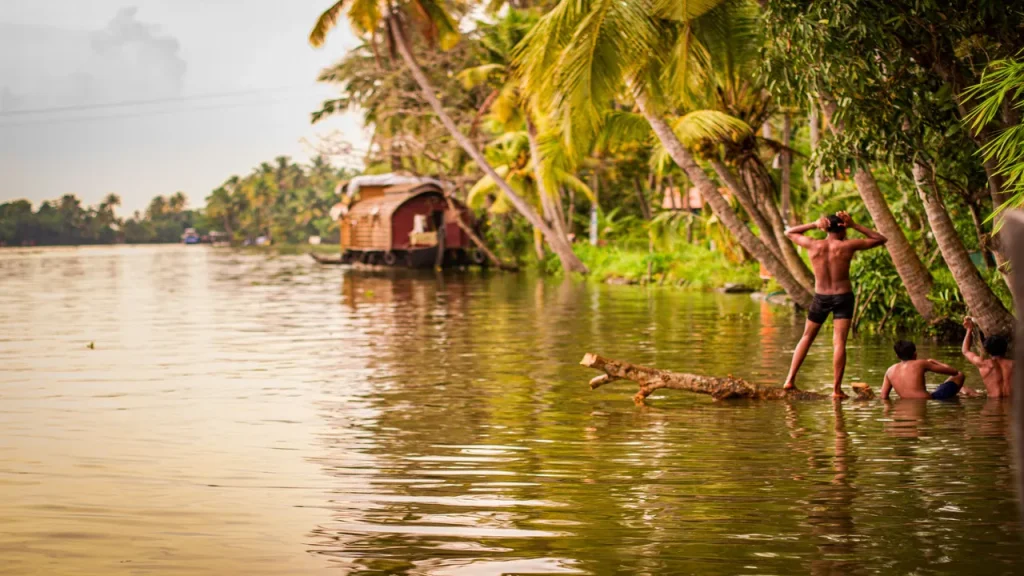
Kerala is renowned for its mesmerizing landscapes, and one of the most captivating features of the state is its vast network of backwaters. As I recently sailed through the tranquil waters on a houseboat, I couldn’t help but marvel at how much these waters contribute to Kerala’s biodiversity. From rare bird species to a unique ecosystem beneath the water’s surface, the backwaters are more than just a scenic attraction—they are a crucial element in maintaining Kerala’s rich biological diversity.
A Living Ecosystem in Motion
As I navigated through the serene backwaters, the air was thick with the scent of lush greenery, and the water was dotted with lily pads and floating vegetation. It was clear to me that Kerala’s backwaters are a thriving ecosystem, supporting a wide range of plant, animal, and marine life. The interconnected system of lakes, rivers, and canals provides a delicate balance that sustains a diverse range of species.
This network, primarily concentrated in the central and southern parts of the state, stretches over 900 kilometers and comprises freshwater, brackish water, and saltwater ecosystems. This unique blend of water types makes it an incredibly biodiverse region, creating an environment where both aquatic and terrestrial species can coexist harmoniously.
Mangroves: Protecting the Shores and Supporting Marine Life
One of the most vital components of Kerala’s backwaters is its mangrove forests. These salt-tolerant trees thrive along the brackish shorelines, forming natural barriers that protect the coastal areas from erosion. Mangroves play a significant role in supporting the state’s biodiversity. During my visit, I was able to see how these forests are teeming with life. The roots of the mangroves create a perfect habitat for several species of fish, crabs, and mollusks, which, in turn, attract various bird species.
Moreover, these ecosystems act as nurseries for juvenile fish, which later migrate to the sea, ensuring the survival of many marine species. The constant ebb and flow of tides bring nutrients into these areas, making the mangroves one of the most productive ecosystems on the planet.
A Haven for Birdwatchers
If you’re someone who enjoys birdwatching, Kerala’s backwaters will surely captivate you. As I sailed along the tranquil waters, I witnessed a wide array of bird species—both migratory and resident. The backwaters are home to several species of herons, egrets, and kingfishers. Migratory birds, such as the Siberian cranes, make their way to Kerala during the winter months, adding to the state’s already rich birdlife.
The unique combination of water bodies, wetlands, and coastal zones creates an ideal environment for birds to feed, nest, and breed. The shallow waters and abundant vegetation attract a variety of fish, which in turn, become a rich food source for the birds. During my journey, I noticed how the backwaters seem to be a stopover for birds making their long journey across continents—underscoring the importance of Kerala’s backwaters in global avian migration.
Aquatic Life: A Delicate Balance
Beneath the surface, the biodiversity of Kerala’s backwaters is just as extraordinary. The waters are home to a range of aquatic life, including various species of fish, crabs, prawns, and mollusks. A unique feature of these backwaters is the presence of freshwater and saltwater fish species living in harmony, as the mixing of different water types creates a rich habitat for aquatic life.
The fish species found here are diverse, ranging from the locally famous Karimeen (Pearl Spot) to the larger species like the barracuda. I witnessed firsthand how traditional fishermen work in sync with nature to harvest these resources sustainably. The fish are often caught using environmentally friendly methods, ensuring that the biodiversity of the waters is preserved.
Ecotourism: A Sustainable Way to Enjoy Kerala’s Biodiversity
While the backwaters are an important part of Kerala’s biodiversity, they are also a popular tourist attraction, and for good reason. Kerala Houseboats offers an excellent way to experience the region’s natural beauty while respecting its delicate ecosystems. As I glided along the waterways, I noticed that responsible tourism is essential to maintaining the health of these waters.
Sustainability is key in ensuring that future generations can experience the magic of the backwaters. Kerala Houseboats is committed to promoting eco-friendly tourism by encouraging practices like waste disposal management, water conservation, and supporting local conservation efforts. By visiting the backwaters through eco-conscious houseboat tours, visitors can enjoy the unique wildlife without contributing to environmental degradation.
Preserving the Future of Kerala’s Backwaters
The Kerala backwaters are an irreplaceable resource for both the local communities and the environment. However, like many natural habitats around the world, they are under threat from pollution, urbanization, and climate change. The need for conservation efforts has never been greater.
As I reflected on my journey, I couldn’t help but think of the importance of preserving this rich biodiversity. Kerala’s backwaters offer a unique glimpse into the delicate balance of nature. They provide sustenance for millions of people while offering refuge to a diverse array of species, many of which are found nowhere else in the world.
Conclusion
In conclusion, Kerala’s backwaters are not just a scenic destination—they are a living testament to the region’s rich biodiversity. From the mangroves to the diverse aquatic life, the backwaters support an ecosystem that is vital to the state’s natural heritage. Whether you are a birdwatcher, a nature enthusiast, or someone who simply enjoys the serenity of the backwaters, the biodiversity of Kerala is something that should be experienced firsthand. With responsible tourism, we can continue to appreciate and protect the backwaters for future generations.
At Kerala Houseboats, we invite you to explore these magical waters while respecting the delicate ecosystems that make them so special. Come, immerse yourself in the natural beauty and vibrant biodiversity of Kerala’s backwaters—a place where nature and humanity coexist in harmony.